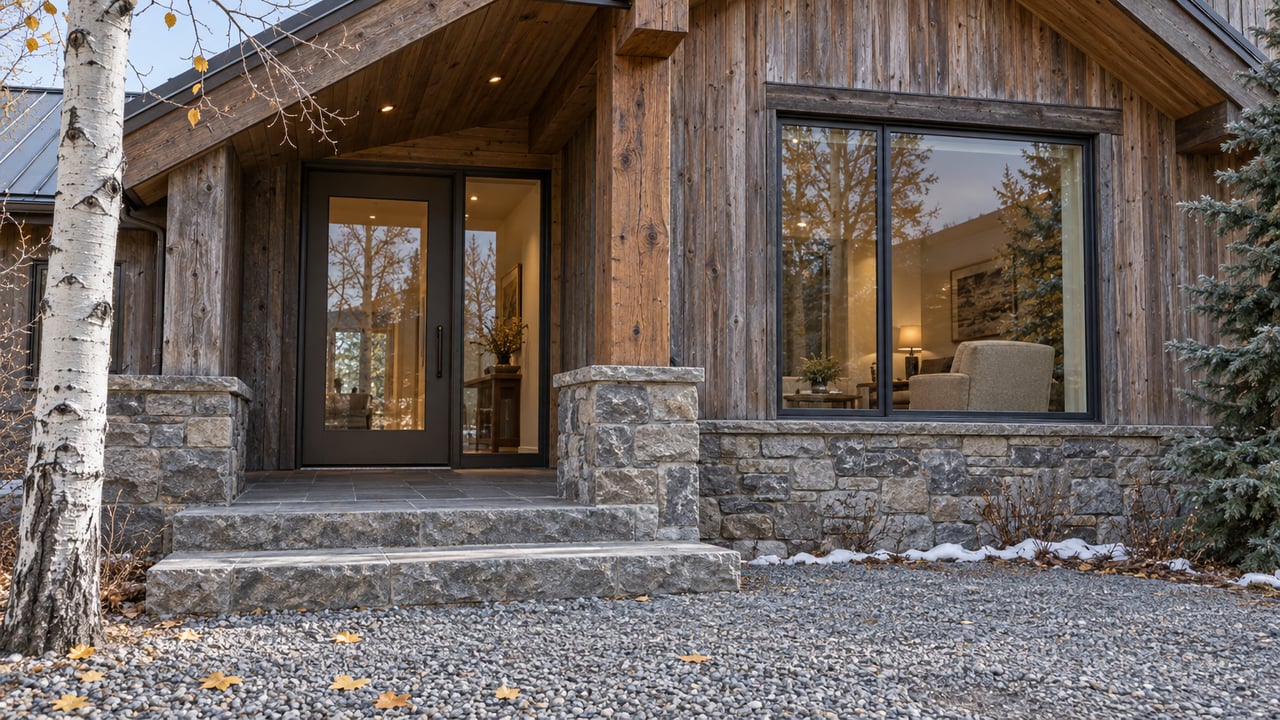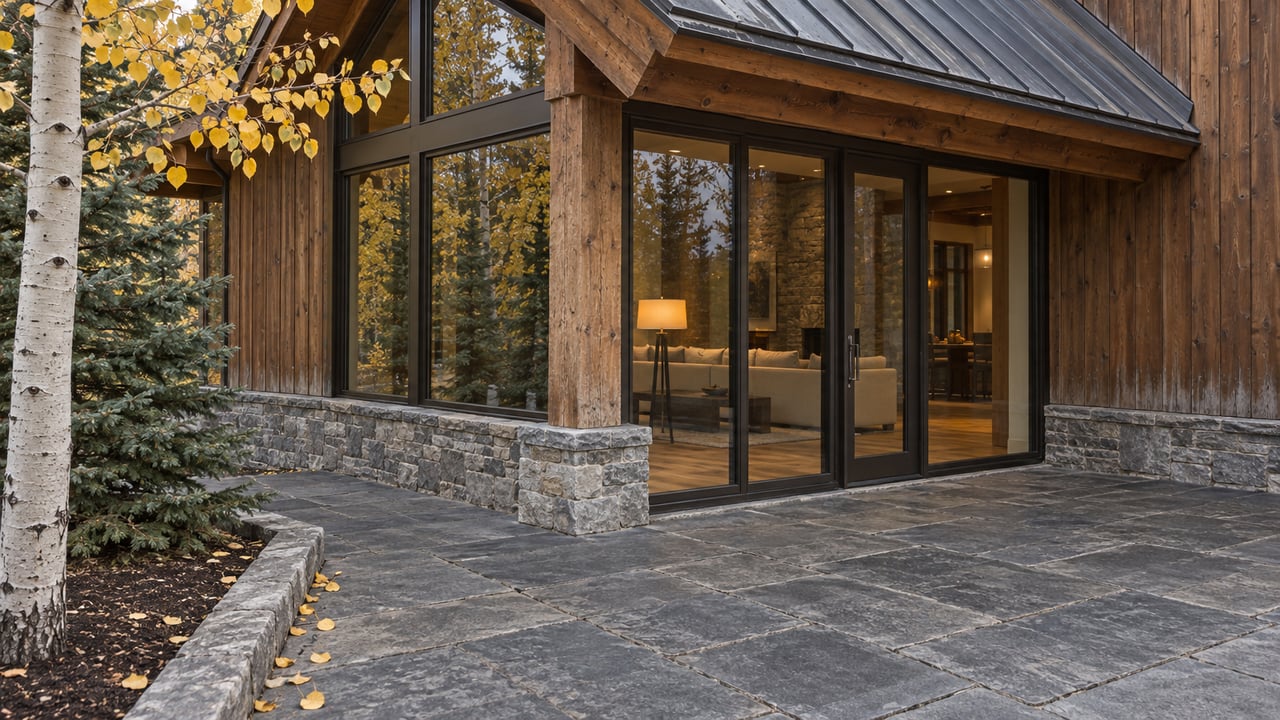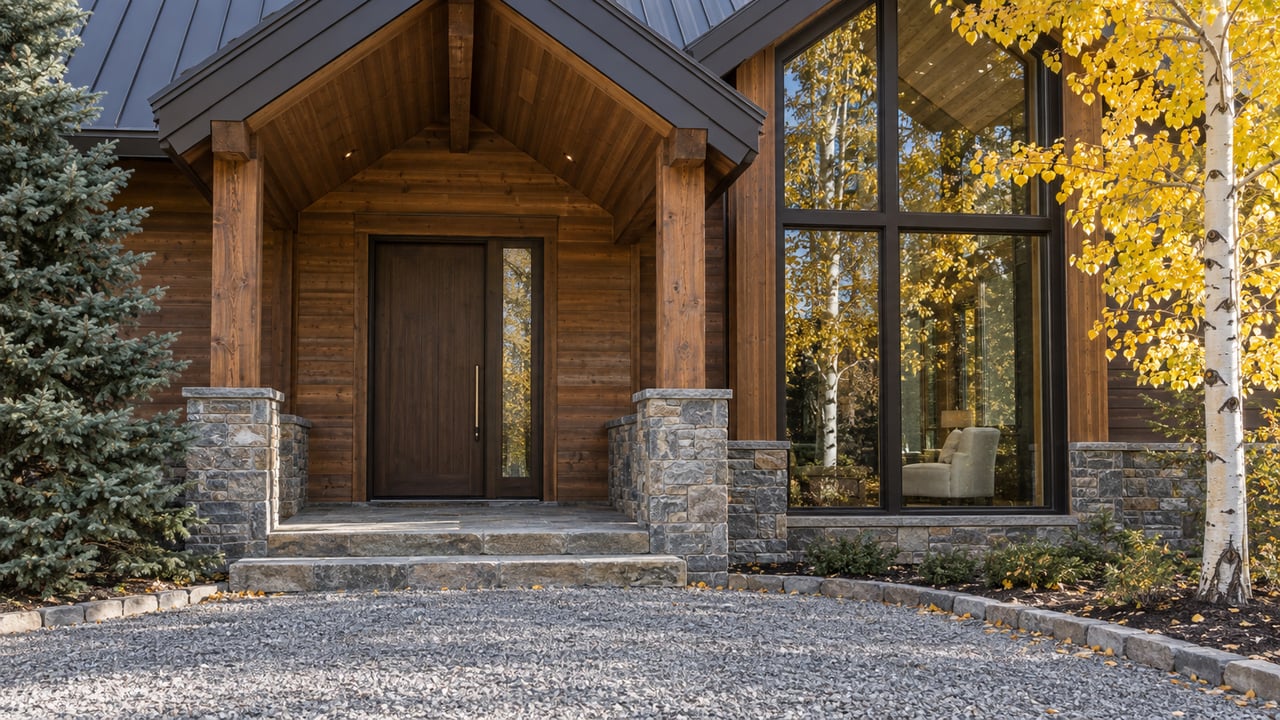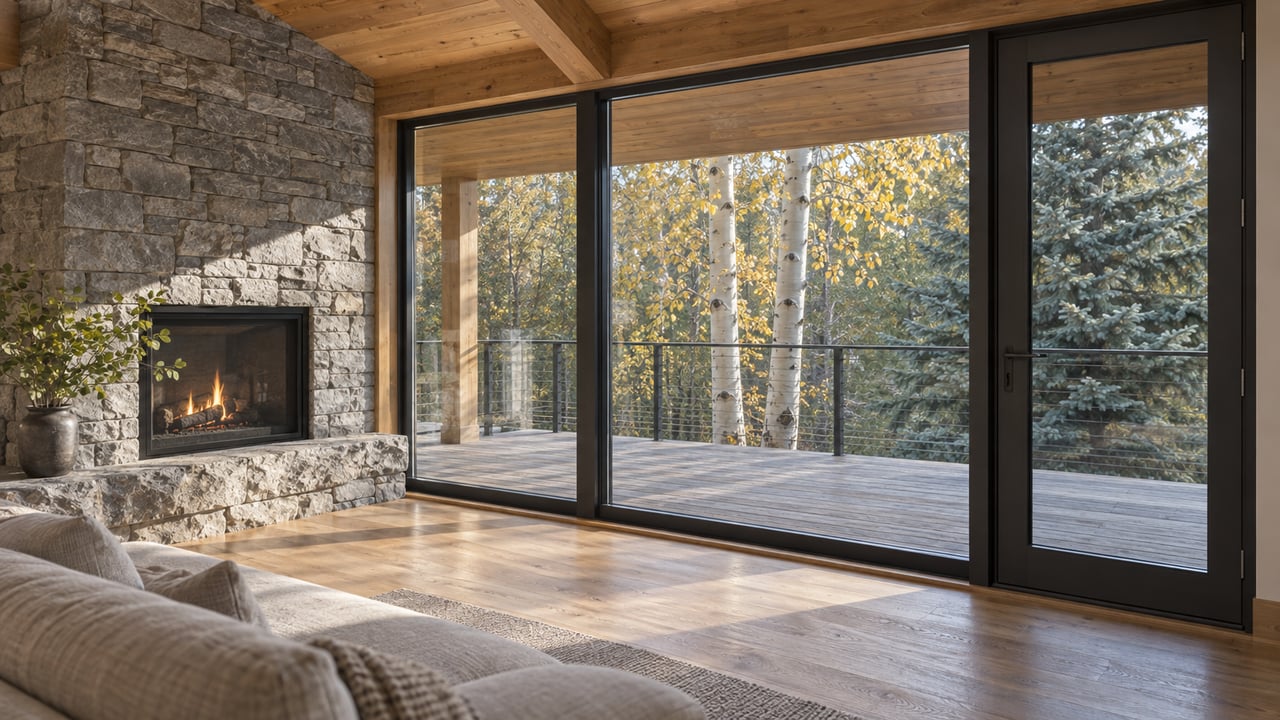
If you are shopping Telluride from out of town, one of the biggest surprises is that the market is not organized the way many luxury destinations are. Here, the real differences often come down to how you want to live day to day: walk to dinner, step into resort access, or trade proximity for acreage and privacy. When you understand those distinctions early, your search becomes far more focused, efficient, and strategic. Let’s dive in.
Telluride luxury starts with access
In Telluride, neighborhood identity is shaped less by simple map boundaries and more by lifestyle access. Broadly, the market breaks into three categories: the historic town core, gondola-connected resort living in Mountain Village, and nearby estate areas built around space and privacy.
That distinction matters because two homes with similar price points can offer very different experiences. One may place you steps from Colorado Avenue and daily walkability, while another may prioritize ski convenience or a larger homesite with a more private setting.
Town of Telluride and Mountain Village are different
A common question from out-of-town buyers is whether Telluride and Mountain Village are the same place. They are not. The Town of Telluride is a National Historic Landmark District, while Mountain Village is a separate municipality that was incorporated in 1995.
That said, they function closely together for many buyers and owners. The two are linked by a free gondola ride of about 13 minutes, which makes it realistic to enjoy both environments as part of one broader lifestyle.
In-town Telluride offers historic walkability
If you are drawn to a classic mountain town setting, the historic grid in Telluride is usually the first place to study. Listings on Colorado Avenue, Aspen, Oak, Fir, Pine, Columbia, Pacific, or Galena often point you toward this part of the market.
This area is shaped by Victorian homes, brick buildings, and boom-era structures that still define the streetscape today. Colorado Avenue is the town’s central commercial corridor, commonly known as Main Street, and it anchors much of the dining, gallery, and retail activity buyers picture when they think about Telluride.
Why buyers choose the historic core
The town core tends to appeal to buyers who want a true walkable lifestyle. You can prioritize immediate access to restaurants, shops, events, and everyday in-town activity rather than relying on a car for most outings.
Car-light living here is practical, not just aspirational. The Town runs the free Galloping Goose loop, and the gondola adds another transit option, while parking in the commercial core is metered and limited.
What to know before you buy in town
Historic appeal comes with trade-offs. Parcels are often tighter, floor plans may be less contemporary than newer resort properties, and alterations or additions can require review through the town’s Historic and Architectural Review Commission.
For an out-of-town buyer, that means charm and convenience may come with more design constraints. If you plan to renovate, expand, or significantly alter a property, it is smart to understand the review environment before you fall in love with a home.
Mountain Village focuses on resort convenience
If your priority is ski access, newer construction, and a lock-and-leave ownership style, Mountain Village is often the most intuitive fit. It was planned as a pedestrian-friendly, European-style resort village with a central core, estate homes spread through the landscape, and trail and golf connections.
Official visitor materials highlight a range of slopeside residences and hotels in this setting, including See Forever Village II, Villas at Cortina, Lumière by Dunton, Mountain Lodge Telluride, the Peaks, and the Franz Klammer Lodge. For many buyers, this is the version of Telluride ownership that feels most aligned with a modern alpine resort experience.
Why buyers favor Mountain Village
Mountain Village often checks several boxes at once. You may find newer finishes, resort-oriented layouts, easier winter access, and ownership options that feel especially practical for second-home use.
For out-of-market buyers, it can also be easier to evaluate at first glance. The lifestyle proposition is clear: convenient access to the resort environment with a pedestrian-friendly village feel.
Verify what ski access really means
One phrase deserves extra attention: ski-in/ski-out. In Telluride, that language does not always mean the same thing from one property to the next.
The resort distinguishes among lift-served terrain, hike-to terrain, and trail access. So when a listing suggests ski-in/ski-out convenience, you should verify whether the home has direct on-snow access or whether the experience is better described as close to the gondola or resort system.
Estate areas offer privacy and acreage
Some buyers love Telluride but do not want to be in the middle of town or the resort core. If your priorities are larger homesites, custom residences, open views, and a more private setting, nearby estate neighborhoods may be the strongest fit.
For many out-of-town buyers, these areas feel less like ski villages and more like mountain estate communities. They usually involve more driving or shuttle reliance than walking to dinner, but they can deliver a very different level of seclusion and scale.
Telluride Ski Ranches
Telluride Ski Ranches sits directly adjacent to the National Forest and Mountain Village. Homesites there range from about 1 to 3 acres, with hiking trail access and a privacy-first feel that still keeps the resort close.
This can be an attractive middle ground if you want breathing room without feeling disconnected from the core Telluride experience. It offers a different rhythm from both the historic grid and the village center.
Aldasoro Ranch
Aldasoro Ranch is another estate-style option worth understanding. It includes 161 home sites across 1,515 acres and is known for larger lots, open views, and privacy.
The area is described as less than 15 minutes from both Mountain Village and the Town of Telluride. For buyers who want a substantial homesite and a custom-home environment, this is one of the clearest examples in the immediate Telluride orbit.
Price patterns vary by product type
In Telluride, price expectations shift quickly depending on whether you are comparing historic single-family homes, luxury condos, ski-oriented properties, or estate homes. That is one reason broad averages can be misleading if you are trying to target a very specific ownership style.
A 2025 San Miguel County market report showed $868.3 million in sales volume across 448 transactions. The same report said Mountain Village and the Town of Telluride both outperformed 2024 in price per square foot by roughly 9% and 8%, respectively, in a market shaped by limited inventory, location premiums, and buyers focused on long-term value.
Town of Telluride pricing context
In the Town of Telluride, 2025 MLS data showed 78 residential sales and $270.7 million in volume. Median sold prices ranged from $4.7125 million for 3-bedroom single-family homes to $9.05075 million for 5-plus-bedroom homes.
For condos, median sold prices ranged from $640,600 for studio and 1-bedroom units to $3.675 million for 3-bedroom units. This spread shows how much pricing can change based on property type, size, and exact location within the town core.
Mountain Village pricing context
In Mountain Village, 2025 MLS data showed 69 residential sales and $305.25 million in volume. Median sold prices ranged from $3.92 million for 3-bedroom single-family homes to $13.15 million for 5-plus-bedroom homes.
For condos, median sold prices ranged from $992,000 for studio and 1-bedroom units to $7.475 million for 5-plus-bedroom condos. This helps explain why buyers need to compare like with like rather than treating Mountain Village as one single pricing band.
What thin inventory means for buyers
The same market report showed active asking medians generally above sold medians in both core markets, especially for larger homes and higher-end condos. In practical terms, that suggests thin inventory and sharp pricing differences within the top end of the market.
For you as a buyer, this means preparation matters. If your search criteria are narrow, especially around views, ski access, privacy, or a specific ownership style, the best opportunities may require patience and quick decision-making when the right property appears.
How to choose the right Telluride area
The best neighborhood for you depends on how you want your time in Telluride to feel. A beautiful home can still be the wrong fit if the daily experience does not match your priorities.
A helpful way to narrow the search is to start with lifestyle first and architecture second. Once you know how you want to move through the area, property type becomes much easier to define.
Choose in-town Telluride if you want:
- Walkability to Main Street dining, galleries, and daily activity
- A historic town atmosphere
- A car-light lifestyle supported by local transit and the gondola
- Character-rich homes and condos within the historic grid
Choose Mountain Village if you want:
- Resort-centered living
- Easier access to skiing and gondola connections
- More newer-construction options
- A lock-and-leave second-home feel
Choose estate areas if you want:
- Larger lots and more privacy
- Custom homes with a more secluded setting
- Open views and a lower-density feel
- Quick access to Telluride without living directly in town or the resort core
A smarter way to buy from out of town
When you are not local, it is easy to overfocus on listing photos and underweight how each area functions in real life. In Telluride, that can lead buyers to target the wrong location before they fully understand the trade-offs between walkability, ski convenience, and privacy.
A more strategic approach is to evaluate neighborhoods through the lens of daily use. Think about whether you want to walk for coffee, rely on the gondola, or retreat to acreage at the end of the day. Those answers will usually point you toward the right micro-market faster than square footage alone.
If you want a polished, data-aware second opinion as you compare mountain luxury markets and evaluate where a Telluride purchase fits into your broader goals, Zach Lentz offers discreet, high-touch guidance tailored to buyers who value privacy, strategy, and informed decision-making.
FAQs
What is the difference between Telluride and Mountain Village?
- Telluride and Mountain Village are separate municipalities, but they are connected by the free gondola and function closely together for many owners and visitors.
What does a historic Telluride address usually mean?
- Streets like Colorado, Aspen, Oak, Fir, Pine, Columbia, Pacific, and Galena usually indicate the historic in-town grid rather than Mountain Village.
What should out-of-town buyers know about ski-in/ski-out in Telluride?
- Ski-in/ski-out language should be verified carefully because some properties offer direct on-snow access while others are better described as having gondola or resort convenience.
Which Telluride areas are best for privacy and acreage?
- Telluride Ski Ranches and Aldasoro are two of the clearest nearby options for buyers who want larger homesites, privacy, and quick access to Telluride.
Can you live without a car in Telluride’s town core?
- You can live car-light in the town core thanks to the free Galloping Goose loop, gondola access, and a walkable layout, though parking in the commercial core is limited and metered.