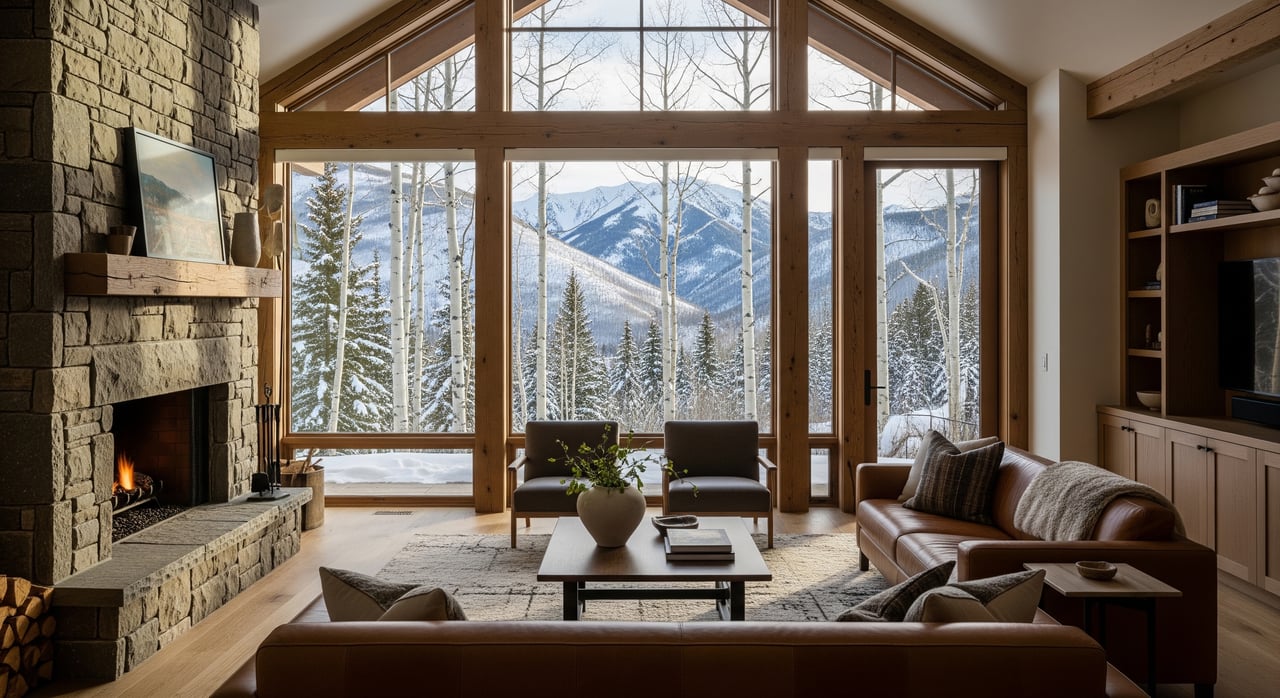
Thinking about a second home in Aspen? You are not alone. Many high-net-worth buyers picture fresh powder mornings, golden summer evenings, and an easy base for family, friends, and events. You also want clarity about rules, costs, and how life here really works when you are not local. This guide gives you a realistic, on-the-ground look at ownership in Aspen, so you can move forward with confidence. Let’s dive in.
Aspen at a glance
Aspen sits among the highest-priced mountain resort markets in the country. Demand comes from a global pool of buyers who value ski access, privacy, and a rich arts and dining scene. Inventory of true ski-in, ski-out luxury homes is limited, and prime properties see strong competition.
Many buyers pay cash or use jumbo financing. Underwriting for high-value mountain homes often differs from standard mortgages for primary residences. Expect different documentation needs and, at times, larger down payments for second-home loans.
Seasons shape how you use it
Winter: Peak excitement and demand
Winter is the main event. You have four mountains to choose from: Aspen Mountain, Snowmass, Buttermilk, and Highlands. Holiday weeks bring the most energy, with fuller restaurants and higher demand for services. If you plan to host, book key services early and think about ski storage, heated entry spaces, and easy access for guests.
Spring: Quiet reset and projects
Spring is a shoulder season with variable conditions. You may catch late turns at higher elevations while lower trails open for biking. It is also a practical time for lower-occupancy stays and to complete maintenance, upgrades, or design refreshes without getting in the way of peak-season use.
Summer: Active days, cultural nights
Summer is the second high season. You will find hiking, mountain biking, fly-fishing, and rafting paired with world-class dining and cultural events. Warm days and cool nights make outdoor living spaces a priority. Patios, outdoor kitchens, and hot tubs get steady use, and a walkable base can be convenient when calendars are full.
Fall: Calm and beautiful
Fall is quieter, with easier restaurant reservations and less traffic. Owners often schedule larger maintenance or landscaping projects in this window. The slower pace can be ideal for private stays and for planning the winter ahead.
Events and their impact
Aspen’s calendar includes marquee gatherings like the Aspen Music Festival, Aspen Ideas Festival, and the Food & Wine Classic. These weeks concentrate demand. Owners often block them for personal use or pursue premium short-term rental rates when allowed. Service providers get busy fast during these periods, so plan ahead for private chefs, transportation, and activities.
Neighborhoods and property types
Downtown walkable
If you want to step outside to restaurants and the Silver Queen Gondola, in-town condos and townhomes offer top walkability. You trade larger outdoor spaces and parking for convenience and energy. Rental rules and HOA guidelines can vary by building.
West End and Old Town
These areas mix historic character with proximity to downtown and Aspen Mountain. Many owners appreciate the neighborhood feel and bikeable access. Homes can have strong appeal for both personal use and, where allowed, short-term rental.
Red Mountain, Starwood, Highlands, and beyond
If privacy and space matter most, hillside and gated areas deliver larger lots, dramatic views, and quick access to high-end ski terrain. Consider winter driving, driveway grade, and parking plans. In a few micro-locations, buyers also evaluate avalanche exposure and local safety measures.
Snowmass
Snowmass is a distinct resort area in the same region that many buyers compare for space and value. You will find larger footprints and newer builds in some pockets. Ownership here is a separate market from central Aspen, yet it often suits families prioritizing ease of use and amenities.
What to budget each year
Carrying costs vary widely based on property type, size, and usage. Plan for these categories:
- Property taxes and assessments. High assessed values can drive significant annual tax bills. Verify Pitkin County rates for your parcel.
- Utilities and services. Heating in winter, water and sewer or septic, trash, and high-speed internet are typical. Remote homes may require upgrades for reliability.
- Maintenance and operations. Snow removal, HVAC or boiler service, roof and gutter care for snow loads, and routine inspections are standard. Landscaping and wildlife management may be relevant.
- Reserves and capital projects. Roof, systems, and periodic renovation help keep luxury standards current.
- HOA fees. Condos, townhomes, and some communities include shared amenities and insurance for common areas.
- Management fees. If you hire a property manager or use concierge services, budget for housekeeping, turnovers, inspections, and on-call support.
- Insurance. Mountain risk profiles affect premiums. See the section below for key considerations.
Short-term rental rules
Aspen and Pitkin County maintain strict and evolving short-term rental rules. Requirements often include licenses or permits, occupancy standards, and lodging and sales taxes. Rules differ between the City of Aspen, unincorporated Pitkin County, and Snowmass Village, and some neighborhoods restrict or prohibit rentals altogether.
Because policies change, verify current regulations with local government offices and review HOA documents before assuming any rental income. If renting is part of your plan, build your calendar around major event weeks to capitalize on demand while scheduling preventive maintenance and deep cleans between stays.
Insurance and risk management
Wildfire is a key consideration for many mountain properties. Carriers may require defensible space, noncombustible roofing, and ember-resistant vents. You can expect higher premiums in higher-risk zones.
Snow and ice create structural and water-damage risks. Many insurers require winterization protocols or proof of regular checks during long vacancies. If you plan to host guests or rent, consider liability and umbrella coverage, and explore short-term rental riders. Also check FEMA flood maps and local drainage or avalanche advisories for site-specific risks.
Financing, ownership, and taxes
Buyers often use cash or jumbo loans. Second-home financing can involve larger down payments and different underwriting. Start that conversation early to align timeline and terms.
High-net-worth owners commonly use LLCs or trusts to address privacy, liability, and estate planning. Work with legal and tax counsel on the right structure. If you plan to rent, remember that rental income is taxable and local lodging taxes may apply. Factor transfer fees, title insurance, and closing costs into your upfront plan.
Managing from afar
Remote owners often lean on professional management to protect property value and guest experience. Typical services include seasonal opening and closing, winterization, housekeeping, regular inspections, and emergency response. Smart-home systems for climate control, water monitoring, and security cameras add peace of mind and can support insurance requirements.
Quick pre-offer checklist
- Verify current City of Aspen and Pitkin County short-term rental rules and licensing.
- Interview local property managers for service scope and cost estimates.
- Obtain insurance quotes that address wildfire, vacancy, snow load, and liability.
- Confirm winter access and safety measures, including driveway grade and heating.
- Request seller records for utilities, maintenance, and any past rental performance.
- Review HOA documents for rental restrictions, fees, and reserve levels.
- Consult legal and tax advisors on ownership entities and estate planning.
- Understand local environmental and community rules on noise, lighting, and defensible space.
How Zach Lentz helps you buy well
In a market where the right home may never hit public listings, access and judgment matter. You benefit from deep micro-market knowledge, discreet off-market sourcing, and strategic negotiation. You also gain the marketing reach of a global luxury network for any future sale.
Whether you want a walkable in-town base, a private hillside estate, or selective leasing and vacation rental facilitation, you get a tailored, confidential process from search to closing. When you are ready to align your goals with the right property, connect with Zach Lentz to Schedule a Confidential Consultation.
FAQs
How do Aspen’s short-term rental rules affect second homes?
- Rules are strict and vary by jurisdiction and HOA, often requiring licenses, occupancy limits, and lodging taxes, so verify current requirements before assuming income.
What seasons matter most for second-home use in Aspen?
- Winter is the primary draw for skiing and holidays, while summer offers outdoor recreation and culture; spring and fall are quieter and ideal for maintenance.
Which Aspen areas fit walkability versus privacy?
- Downtown and West End favor walkability and quick gondola access; Red Mountain, Starwood, and Highlands offer more privacy and larger lots with drive considerations.
What ongoing costs should I expect as an Aspen second-home owner?
- Plan for taxes, utilities, maintenance, reserves, HOA dues where applicable, management, and insurance, with winter conditions driving higher operational needs.
How do events impact my calendar and potential rental income?
- Major events concentrate demand into specific weeks, which owners either reserve for personal use or target for premium rentals when permitted.
What insurance issues are unique to mountain properties in Aspen?
- Wildfire exposure, snow and ice loads, freeze-related water damage, and site-specific flood or avalanche risks shape coverage and mitigation requirements.
How do financing and ownership structures differ for second homes?
- Many buyers use cash or jumbo loans with different underwriting, while LLCs or trusts can address privacy and estate planning with guidance from legal and tax counsel.