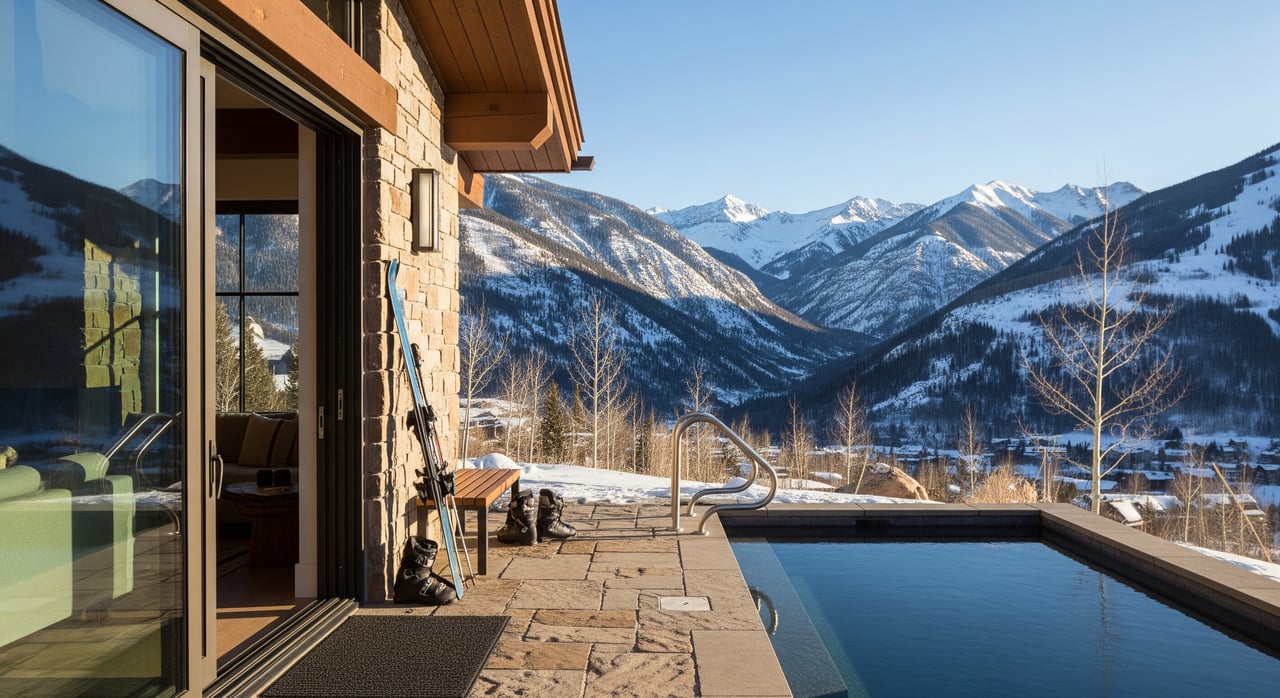
Fresh snow does more than draw skiers to Telluride. It changes how listings hit the market, how fast showings happen, and how buyers weigh price against access to prime holiday weeks. If you plan to sell, buy a second home, or invest in a rental, understanding winter’s rhythms can help you time decisions and negotiate with confidence. This guide breaks down what shifts during ski season and how you can use it to your advantage. Let’s dive in.
Ski season timeline and demand spikes
Telluride’s ski season typically runs from late November to early April, with exact dates shifting year to year. Demand surges around Thanksgiving through New Year’s, Martin Luther King weekend, Presidents’ Day week, and spring break. Winter events and festivals can also create short, intense booking spikes that tighten availability and boost interest.
The practical takeaway is simple. If you want immediate rental income or access to peak ski weeks, aim to align your search and closing with these windows. Sellers can time their listing to capture buyers who want those prime weeks right away.
Inventory and listing volume
Listings ebb and flow in predictable stages. In late fall, some owners list to catch buyers preparing for winter. As the season begins, active inventory can tighten because owners use properties themselves or protect existing rental calendars.
During peak months, you often see fewer new listings and stronger competition for move-in or rent-ready properties. After the lifts close, more sellers enter the market as they review winter performance and plan next steps. That post-season moment can shift leverage and open more options for buyers.
Showing activity and who is buying
During ski season, showings can be brisk, especially for homes and condos that are ski-accessible or proven to rent well. Many buyers are out-of-town second-home owners and investors who time their visits to ski, tour, and make quick decisions. Primary-home buyers remain active too, though they may weigh operating costs and local regulations differently.
Winter touring also highlights things you cannot evaluate in summer. Buyers judge driveway access, snow storage, heating systems, and winter utilities. Sellers should present a property that is clearly winter-ready and provide data that shows how it performs when the snow flies.
Pricing and negotiation in winter
In-season, the balance often tilts toward buyers who value time over price. Properties with strong winter revenue, transferable bookings, and clean short-term rental status can command a premium. Buyers who want immediate income or calendar control sometimes pay more for a turnkey, “plug-and-play” setup.
Off-season, you may see more room to negotiate, especially if prime weeks are already booked by the seller or if a property’s winter performance is unproven. Offers during winter often include faster closing requests or clauses that address rental transfers. Clear documentation of existing bookings and revenue helps both sides align on value.
Short-term rental calendars shape value
Short-term rental revenue in Telluride tends to peak around holidays and long weekends. Owners often block prime weeks for personal use, which changes the property’s income profile. Open calendars in those high-demand windows can lift projected revenue, while blocked dates reduce it.
Winter operations also carry extra costs and logistics. Turnover during holiday clusters, snow access for cleaning crews, and tight changeover windows can affect net income. Before pricing or making an offer, confirm how the calendar is managed and what constraints come with peak-week turnovers.
Timing plays for sellers
Consider late fall if you want to meet buyers who plan to use or rent the property right away. Consider spring if you prefer to complete the season uninterrupted or capture interest from buyers who toured in winter and are now ready to transact.
Prepare a winter-forward package so buyers can underwrite with confidence:
- Last season’s rental calendar with occupancy and rates.
- Monthly revenue and expense breakdown, including snow removal and utilities.
- Any HOA winter policies and parking or access rules.
- Service contracts for snow removal and heating system maintenance.
Price with seasonality in mind. Compare nearby sales based on whether prime weeks were available or blocked and whether bookings transferred at closing.
Timing plays for buyers
If you want immediate income, focus on properties with unblocked prime weeks or transferable bookings. Aim to close before high-demand windows if possible. Verify short-term rental permits, tax obligations, and how existing bookings will be handled.
If you want the best price, shoulder periods can offer more negotiation room. Still, protect yourself by reviewing winter-specific risks and costs before you waive contingencies. Ask for winter-condition disclosures and proof of performance during peak weeks.
Useful clauses to consider:
- Transfer of existing bookings, with clear rules on guest communication and management handoff.
- Pro-rated rental revenue if the sale occurs mid-season.
- Inspection contingency that covers winter access, driveway logistics, heating systems, insulation, chimney, and roof condition.
Metrics to watch in Telluride
To read the market well, follow a shortlist of indicators that reflect ski-season pressures and opportunities:
- MLS data: monthly new listings, active inventory, pending and closed sales, days on market, sale-to-list price ratio, and price per square foot by property type.
- STR performance: occupancy by week and month, average daily rate, revenue per available rental, and monthly gross and net revenue.
- Calendar drivers: dates for Thanksgiving through New Year’s, MLK and Presidents’ Day, school spring breaks, and any winter festivals.
- Local rules and taxes: permit counts where available, licensing requirements, lodging and sales taxes, and any limits tied to zoning.
- Seasonal operating costs: snow removal, heating, driveway maintenance, and turnover fees during peak periods.
What to expect at showings in peak season
In-season tours can be tight because of guest stays and owner use. You may need to coordinate around check-in and check-out times or tour in quick windows between bookings. For high-interest listings, be prepared to view promptly and submit a clean, complete offer package when you find the right fit.
Sellers can help by keeping access clear, heat settings comfortable, and winter systems documented. A simple one-page winter info sheet shows buyers the home is well run and easy to own.
Winter-ready prep checklists
Use these quick checklists to put winter front and center in your plan.
For sellers
- Confirm snow removal contract, frequency, and costs.
- Service heating systems and provide maintenance records.
- Organize HOA winter rules and parking details.
- Prepare rental history with calendar, occupancy, ADR, and net income.
- Set showing windows around guest stays with clear access instructions.
For buyers
- Ask for winter-condition disclosures and system ages.
- Review driveway slope, snow storage, and service access.
- Verify short-term rental licensing, taxes, and management terms.
- Model occupancy, ADR, and RevPAR for holiday weeks and shoulder periods.
- Plan at least one winter-specific inspection or request seasonal documentation.
Know the rules and taxes before you rent
Telluride and San Miguel County have permitting, licensing, and tax requirements for short-term rentals. These rules affect legal rentability and net returns. Before you buy or list, verify current regulations, licensing steps, and tax rates with official local sources and your property manager.
The bottom line
Ski season concentrates demand, narrows access to the best weeks, and rewards properties that are truly winter-ready. If you time your listing or purchase around prime windows, anchor your decisions in rental calendars and operating data, and negotiate for the weeks that matter most, you can create better outcomes with less stress.
If you want a confidential strategy conversation tailored to high-end mountain property and seasonal timing, connect with Zach Lentz for a private consultation.
FAQs
Is listing during Telluride ski season more profitable?
- It can be for well-priced, turnkey, and rentable properties with prime weeks available, since in-season buyer traffic and tighter inventory can increase competition.
When should an investor buyer close in Telluride to capture winter income?
- Aim to close before high-demand windows like holidays and long weekends and confirm that bookings are transferable or prime weeks remain open on the calendar.
How do blocked holiday weeks affect value for Telluride rentals?
- Blocking major holiday and spring-break weeks reduces projected seasonal revenue, so income-based valuations and buyer offers often adjust accordingly.
What winter operating costs should you plan for in Telluride?
- Budget for snow removal, higher heating use, possible winter-specific maintenance, premium turnover fees during holidays, and staffing or access constraints for services.
Do local STR rules in Telluride affect purchase decisions?
- Yes, licensing, permitting, and lodging taxes affect legal rentability and net returns, so you should verify rules and permit status early in due diligence.