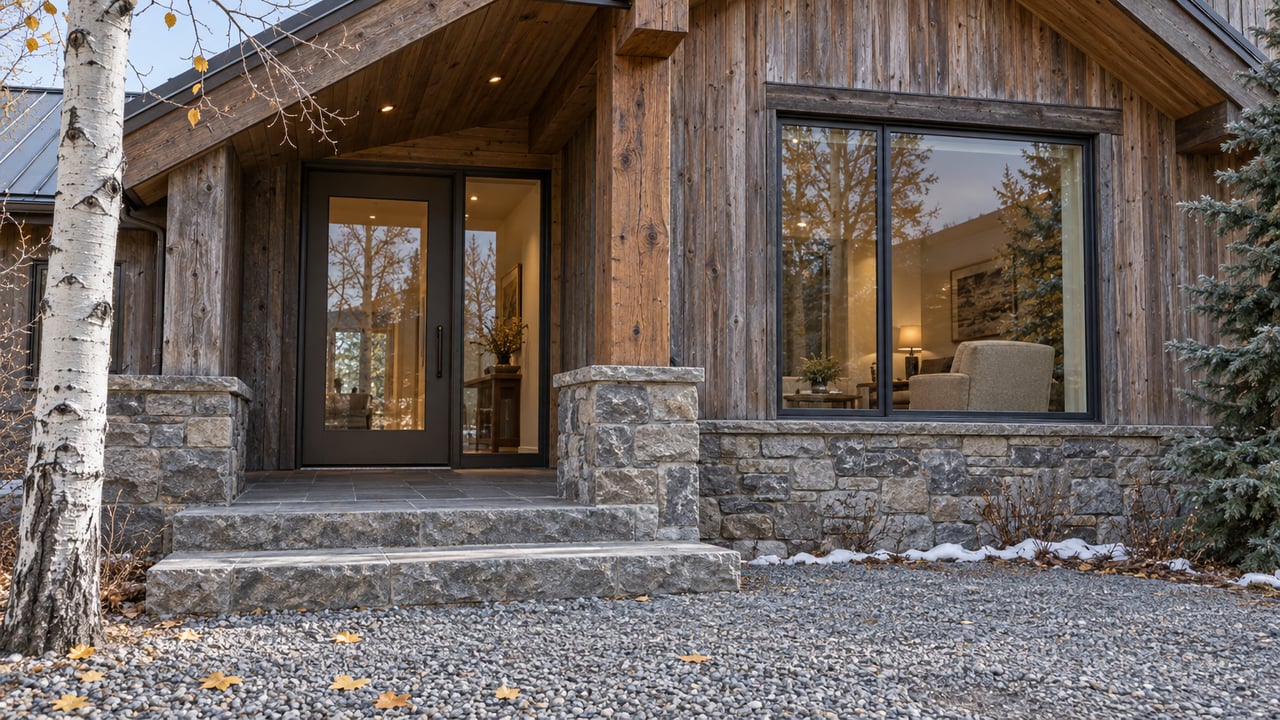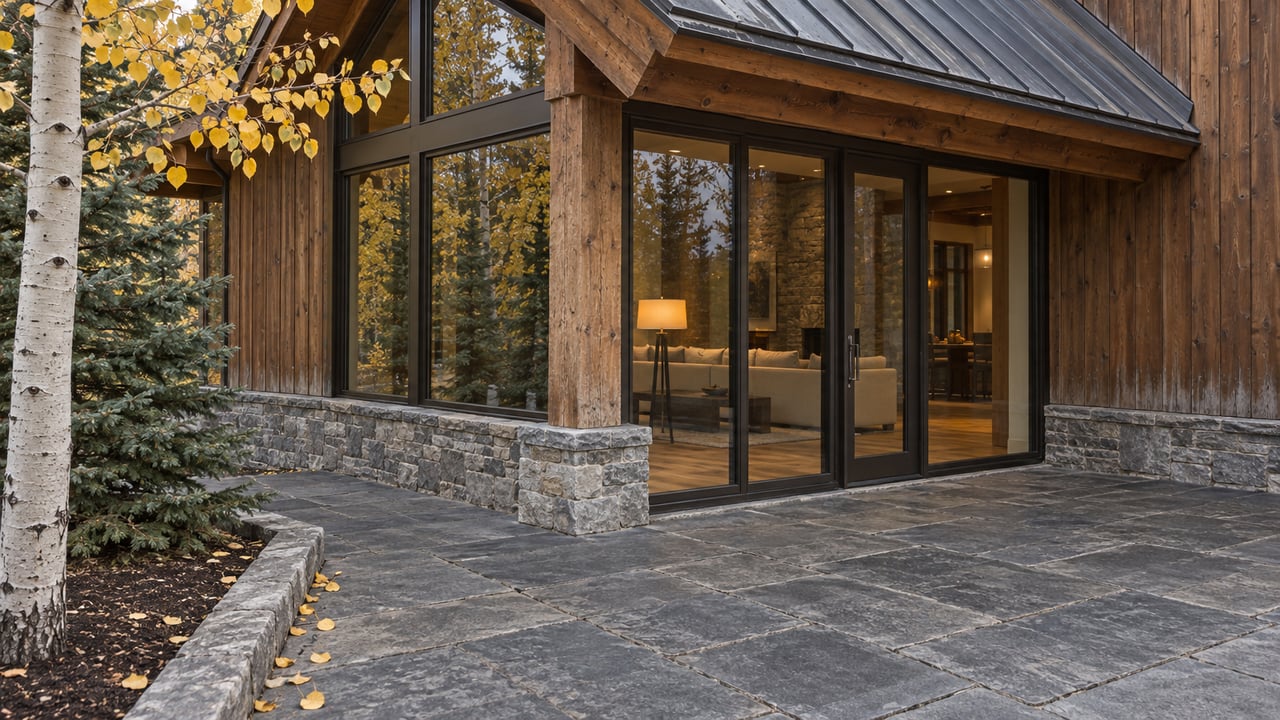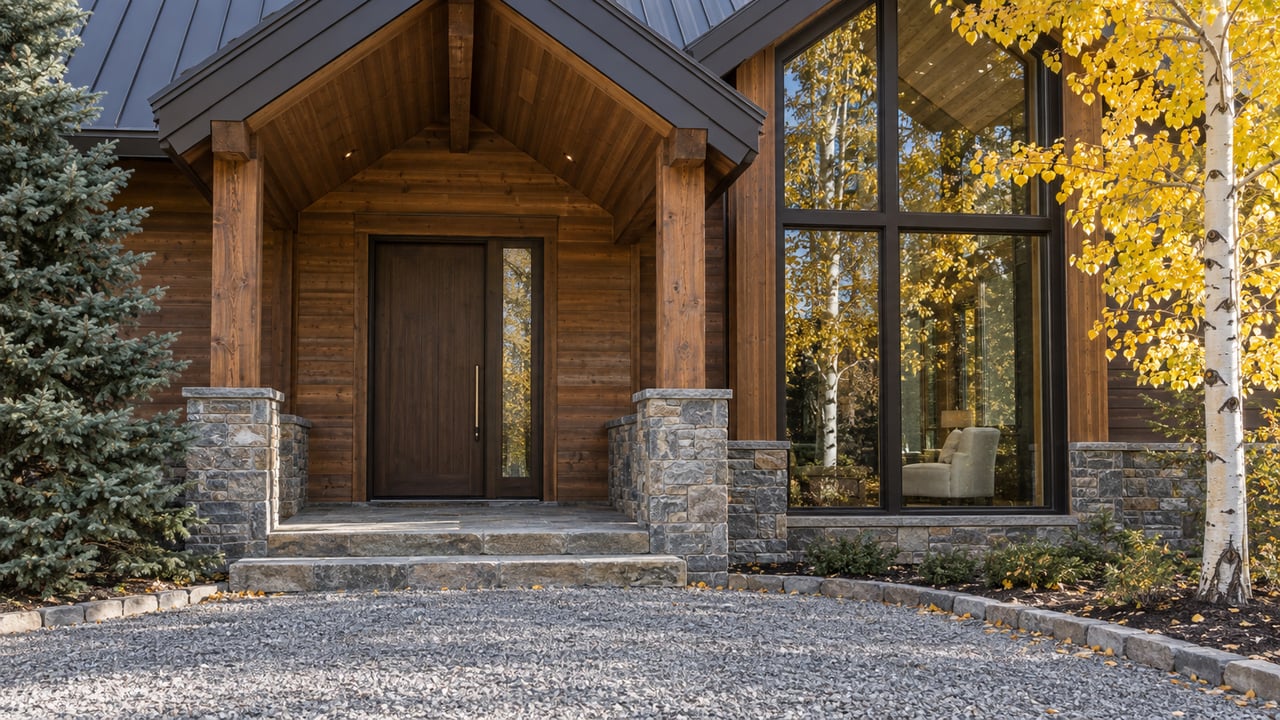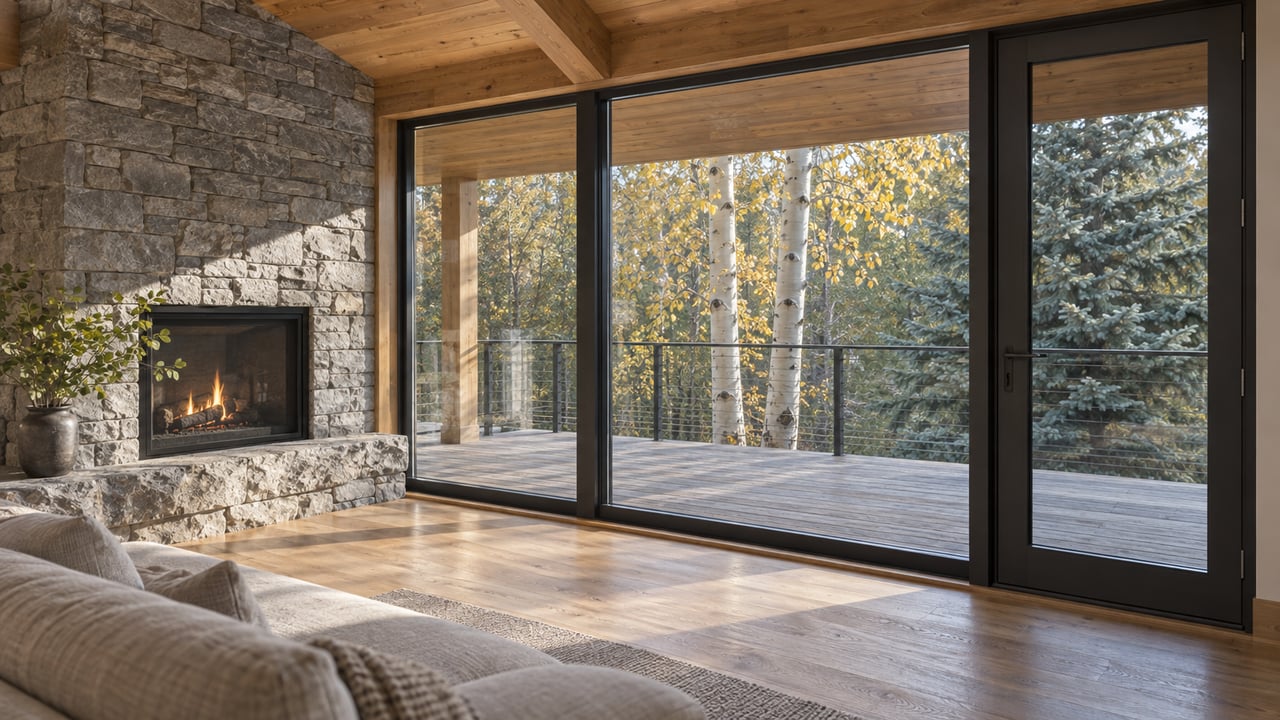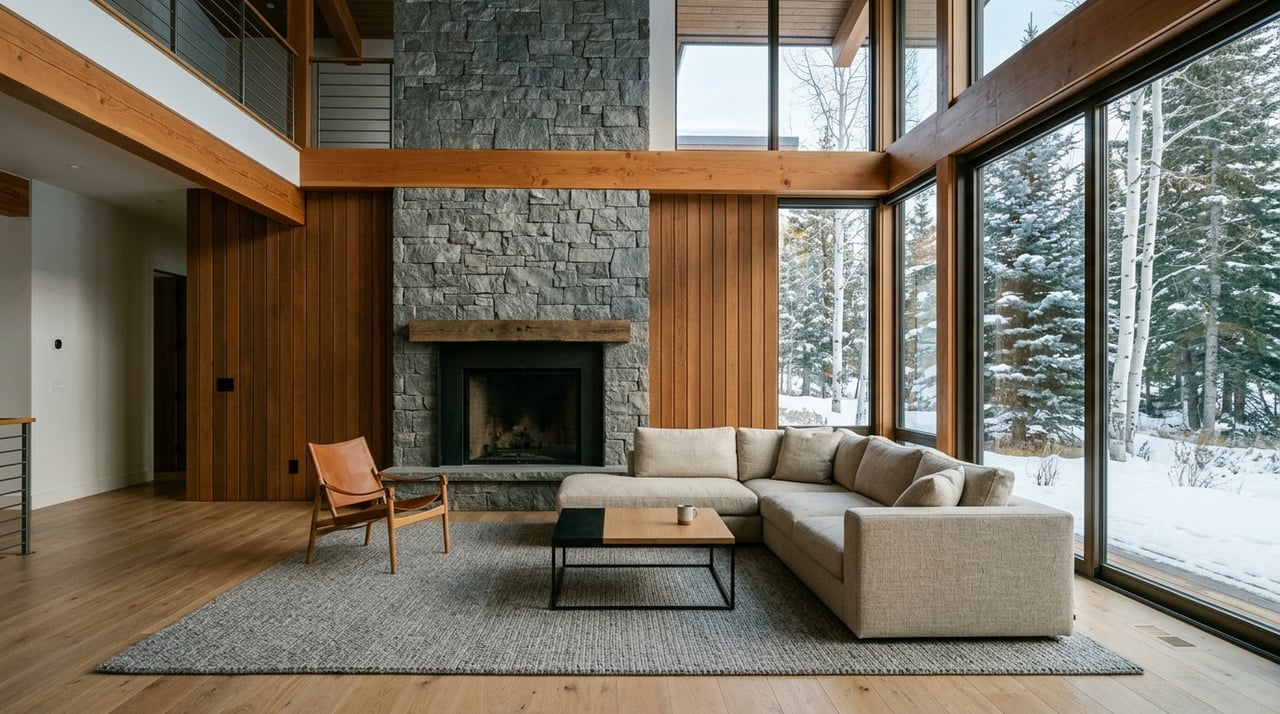
Wondering why Aspen luxury homes can feel so different from one block to the next, yet still feel unmistakably Aspen? If you are buying, selling, or simply refining your taste, understanding the city’s signature home styles can help you read a property more clearly. In Aspen, architecture is not just about looks. It also shapes maintenance, remodel potential, and long-term appeal. Let’s dive in.
Why Aspen style stands apart
Aspen’s luxury housing does not follow one single design formula. Instead, it reflects a preservation framework that has been in place since the early 1970s, with the City of Aspen recognizing and reviewing properties from both the Victorian and Modern eras. Today, the city’s preservation inventory includes 300 properties, and designated properties or homes in historic districts are subject to design standards and review.
That means style in Aspen carries real weight. The architecture of a home can influence what may be altered, which materials are appropriate, and how additions are reviewed. For buyers and sellers, that makes design language more than a visual preference. It becomes part of the ownership story.
Victorian homes in Aspen
Queen Anne and West End character
One of Aspen’s most recognizable historic styles is the Victorian home, especially Queen Anne examples. Aspen Historical Society identifies the Wheeler/Stallard Museum as a Queen Anne-style Victorian built around 1887 to 1888, and the City of Aspen notes that some of the largest Victorian-era homes were built in the West End and along Main Street between 1888 and 1893.
These homes are often tied to classic streetscape features rather than decoration alone. In the Main Street and West End historic districts, the city describes a residential scale with generous front yards, low fences, mature trees, and historic irrigation ditches. That setting helps create the distinctly historic feel many buyers associate with old Aspen.
Materials and details
For Victorian residences, the city says horizontal clapboard is common, while historic downtown buildings often use brick or stone. In the Main Street Historic District, design standards emphasize wood and brick as the primary material palette. Windows, doors, porches, and trim are expected to stay similar in size and shape to historic examples.
If you are drawn to this style, the appeal is often in the craftsmanship and sense of place. For sellers, that same authenticity can help frame a property’s story in a very compelling way.
AspenModern and midcentury design
A distinct Aspen category
Aspen is unusual in that it has its own preservation category for postwar architecture called AspenModern. According to the city, this program was created to recognize and incentivize the preservation of modern and midcentury buildings tied to Aspen’s early ski era and development as a ski town.
This matters because midcentury design in Aspen is not treated as a side note. It is part of the city’s architectural identity. In places like the West End, Victorian and midcentury modern homes can stand side by side, which gives certain areas a layered and highly local feel.
How AspenModern reads
AspenModern landmarks often use stucco, concrete block, and brick. Preservation concerns tend to focus on maintaining the original design intent, including the crisp edges and monochrome character that define the style.
For buyers, AspenModern often feels more restrained than decorative. It can read as architecturally significant, material-forward, and quietly sophisticated. For sellers, it helps to understand that the value story here is often tied to design integrity rather than ornament.
Chalet and alpine lodge forms
Built for views and setting
Chalet and alpine lodge forms are another important part of Aspen’s visual language. The city’s design guidance notes that chalet-style buildings are often sited at an angle to face mountain views. In Aspen, that means the home’s placement on the lot can be just as important as the roofline or facade.
This style is often understood through how it lives on the site. Mountain orientation, roof form, and a relationship to the landscape all help create that alpine feel. In many cases, the character comes from the home’s posture toward the land rather than from decorative detail.
Why buyers gravitate to it
For many luxury buyers, chalet-style homes feel intuitive in Aspen. They connect naturally to the mountain environment and often align with the experience people want from a retreat property. That can make them especially appealing for second-home purchasers who want a home that feels grounded in place.
Contemporary mountain homes
Designed for today, not the past
Aspen’s preservation guidance is clear that new work should be of its own time and should not imitate historic styles. A traditional form may use contemporary materials and windows, while a contemporary form may use traditional materials to keep a strong relationship to nearby historic resources.
That local framework helps explain why many newer Aspen luxury homes feel clean-lined and current without appearing disconnected from their surroundings. They may use more glass, simpler detailing, and sharper forms, but they still need to relate to the site, neighborhood pattern, and historic context when one is present.
Compatibility still matters
Even for distinctly modern homes, compatibility is a major theme in Aspen. The city stresses mass and scale, especially on landmarked parcels. So while a home may look fresh and contemporary, it still operates within a design conversation shaped by context.
For buyers, this often means a newer home can offer a more current layout and appearance while still reflecting Aspen’s local standards. For sellers, it means the strongest positioning usually highlights both design quality and contextual fit.
Reimagined historic homes
Where old and new meet
Some of Aspen’s most compelling luxury properties fall into a hybrid category: reimagined historic homes. The city allows new detached buildings on parcels with landmarked structures, but the new work must be compatible and must not dominate the historic building.
The city also notes that, in some cases, incentives can divide buildable square footage into multiple structures to reinforce the original scale of historic neighborhoods. That helps explain why many high-end Aspen homes feel layered, with a preserved exterior presence, updated interiors, and carefully scaled additions.
Why this category matters
For buyers, these homes can offer a mix of character and livability. You may get historic presence with a more modern interior experience. For sellers, this category can be especially powerful because it speaks to both authenticity and convenience.
What style means for ownership
Historic review and remodeling
If you own or are considering a historic property, style affects more than aesthetics. Aspen’s rules state that historic building materials should be preserved in place whenever feasible. When replacement is needed, the new material should match the original in composition, scale, and finish.
For Victorian homes, that may mean repairing wood clapboard or matching brick and stone. For AspenModern homes, replacement choices may hinge on preserving the original visual intent. The city discourages synthetic substitute materials for historic primary surfaces.
Before starting a remodel, it is important to know whether a property is individually designated or located in a historic district. The city states that homes in the Main Street Historic District, the Commercial Core Historic District, or any individually designated property are subject to Historic Preservation review. Exterior work, and some interior work, can require review and approval before work begins.
Wildfire code and exterior choices
Aspen’s code environment also includes wildfire resiliency requirements. Aspen City Council approved adoption of the Colorado Wildfire Resiliency Code on March 25, 2026, with the code taking effect on April 23, 2026 for building permits submitted after that date.
According to the city’s summary, the code requires a Class A roof assembly and sets standards for exterior walls, glazing, doors, vents, decks, and defensible-space materials around structures. That means exterior design choices now carry an added layer of practical planning regardless of style.
How to talk about Aspen styles
If you are early in your search, simple style vocabulary can help you refine what fits your goals.
- Victorian / Queen Anne: ornamental, historic, and closely tied to old Aspen streetscapes
- AspenModern: midcentury, restrained, and often more about materials and form than decoration
- Chalet: alpine, view-oriented, and shaped by mountain-facing siting
- Contemporary: current, cleaner-lined, and designed to be of its own time
- Reimagined historic: a blend of preservation and modernization
For buyers, the best follow-up question is not only what style a home is, but also whether it is designated, whether it sits in a historic district, and how much change the city may allow. For sellers, style helps define the home’s story, likely audience, and renovation flexibility.
What makes a home feel distinctly Aspen
Aspen’s signature look comes from a mix of mountain setting, historic neighborhood patterns, and a design culture that values both Victorian and Modern eras. That combination gives the market a level of architectural range that feels curated rather than random.
It also means the most successful luxury homes here tend to do two things well. They reflect their own design point of view, and they respond thoughtfully to place. In Aspen, that balance often matters as much as square footage or finish level.
If you are buying or selling a luxury home in Aspen, reading the architecture correctly can sharpen every decision, from property selection to pricing strategy to renovation planning. For tailored guidance on Aspen’s high-end home styles, historic considerations, and discreet buying or selling opportunities, connect with Zach Lentz.
FAQs
What are the main luxury home styles in Aspen?
- Aspen’s most recognizable luxury home styles include Victorian and Queen Anne homes, AspenModern and midcentury modern homes, chalet and alpine lodge forms, contemporary mountain homes, and reimagined historic properties.
What makes Victorian homes in Aspen distinctive?
- Victorian homes in Aspen are often tied to historic streetscapes, wood clapboard materials, generous front yards, low fences, mature trees, and architectural details such as porches and traditionally scaled windows and doors.
What is AspenModern architecture in Aspen real estate?
- AspenModern is Aspen’s preservation category for postwar modern and midcentury buildings associated with the city’s early ski era, often defined by materials like stucco, concrete block, and brick, along with crisp edges and restrained design.
Do historic homes in Aspen require special review?
- Yes. Individually designated properties and homes in historic districts are subject to Historic Preservation review, and exterior work plus some interior work may require approval before construction begins.
Are contemporary homes in Aspen easier to update?
- Contemporary homes may offer more design flexibility in appearance, but they still must meet local building, energy, site-compatibility, and wildfire-related standards.
How does Aspen’s wildfire code affect luxury homes?
- For permits submitted after April 23, 2026, Aspen’s adopted Colorado Wildfire Resiliency Code requires a Class A roof assembly and sets standards for exterior walls, glazing, doors, vents, decks, and defensible-space materials.
Why does architectural style matter when buying an Aspen home?
- Style can affect a home’s maintenance needs, remodel options, approval process, and long-term appeal, especially when historic designation or district rules shape what changes are allowed.