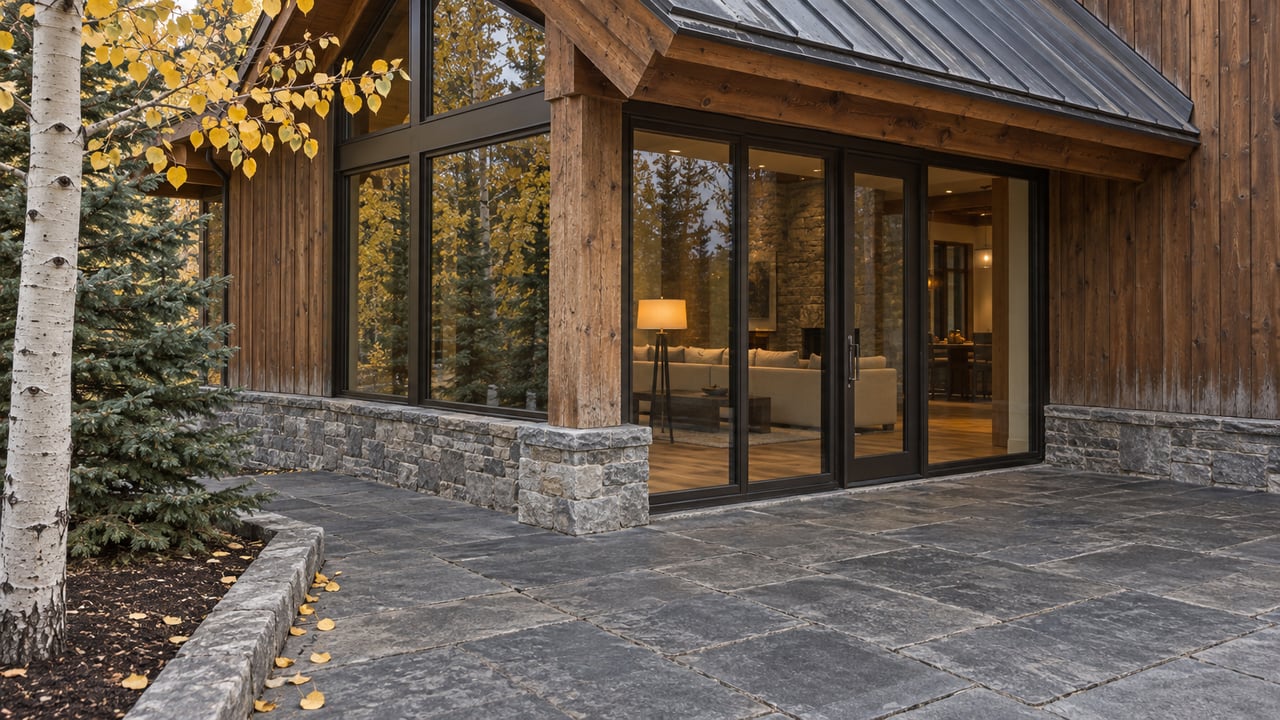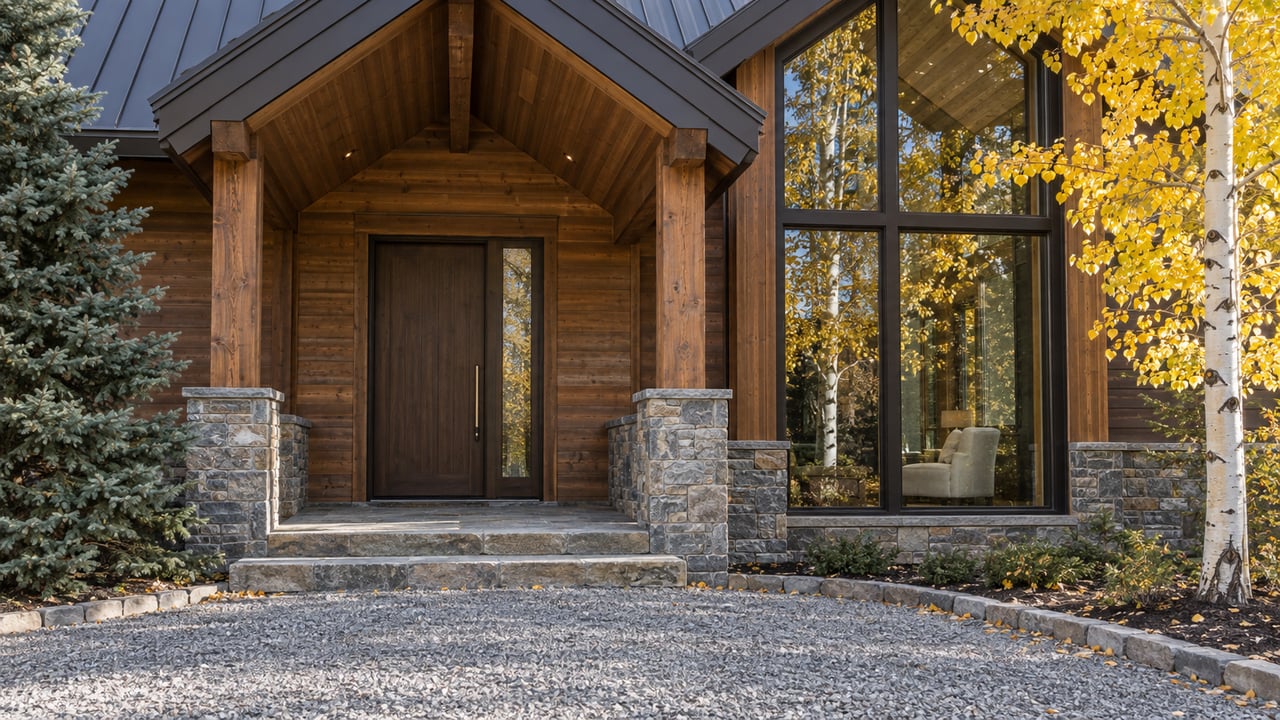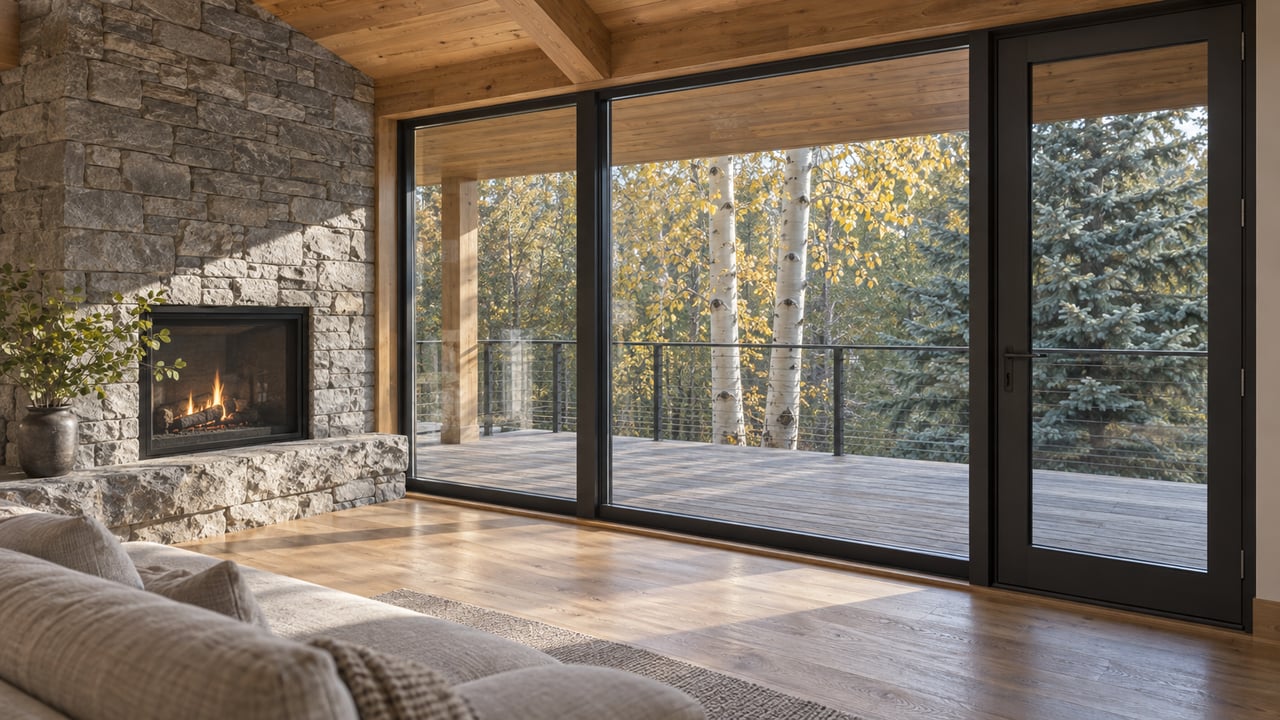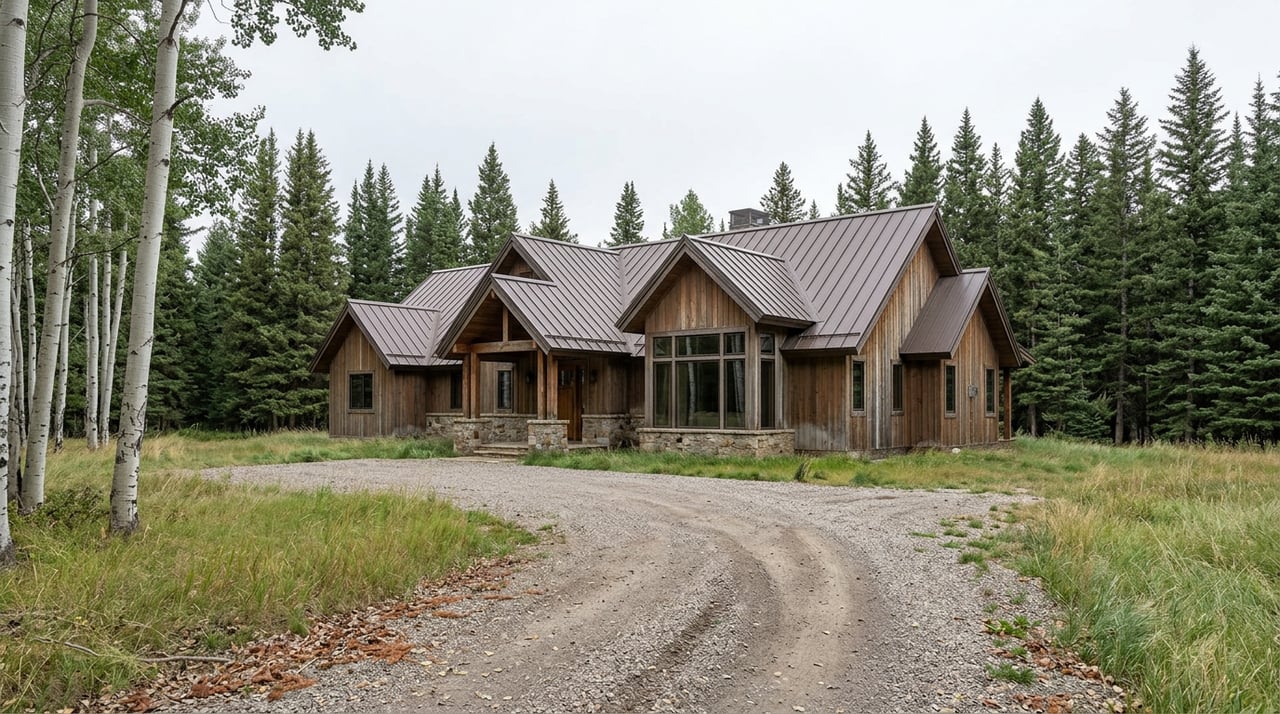
A buyer touring two forty-acre parcels along Woody Creek Road last spring assumed they were pricing the same thing twice. Similar river exposure, similar aspen groves, similar distance to the Woody Creek Tavern. The homes were even comparable in size. Same acreage, same view, two very different balance sheets sitting underneath the dirt.
That invisible asset is a Transferable Development Right, and in Pitkin County it behaves less like a zoning footnote and more like a second currency tied to the land. For anyone comparing large-acreage properties in Woody Creek, understanding whether that currency has already been spent, or is still sitting there waiting to be sold, changes what the parcel is actually worth.
A Second Asset Hiding Inside the Acreage
Pitkin County created its Rural/Remote zoning district to keep backcountry land from being carved up by full-size homes far from services, utilities, and emergency access. The Aspen Times reports that land in that district is capped hard: a cabin can't exceed 1,000 square feet unless the owner takes a different path. That path is the TDR program. Pitkin County says each standard certificate is worth 2,500 square feet of additional floor area. The buyer of the certificate gets to build bigger somewhere else, as the Pitkin County TDR handout explains.
The county calls the first parcel a Sending Site and the second a Receiver Site. Sending Sites aren't limited to Rural/Remote acreage. The list also includes Transitional Residential zones, large Conservation Development parcels of at least 160 acres, properties on the Pitkin County Historic Register, and land the county has designated as environmentally or visually constrained. Infrastructure exists near the Aspen Urban Growth Boundary to support the extra square footage. A county TDR generally cannot be used to build inside actual Aspen city limits. That's a separate, city-run historic preservation program with its own rules.
None of this shows up as a line item on a standard listing. It shows up in the chain of title, and in the county's own TDR certificate list.
How Much a Certificate Is Actually Worth Right Now
For most of the 2010s, TDR prices moved in a fairly narrow band. Between 2007 and 2019, certificates sold for somewhere between $115,000 and $318,000. In 2019 specifically, ten of them changed hands for between $225,000 and $240,000 apiece. That was the baseline a lot of longtime owners and brokers had in their heads.
Then the market broke the pattern. In 2021, amid a superheated regional real estate run and county discussion about tightening house size limits, a single TDR sold for $1.8 million, up from roughly $360,000 the year before. In its report on the 2021 TDR market, The Aspen Times quoted Suzanne Wolff, the county's assistant planning director:
"The big story of the year is the escalating value of what TDRs are selling for."
Broker Scott Bayens, who specializes in TDR transactions, told the Aspen Times at the time that the certificates technically available on paper were far fewer than they appeared, because many owners were sitting on them rather than selling. That scarcity, layered onto renewed fear that the county might shrink the house size bonus per TDR, is what pushed a six-figure commodity into seven figures inside a few years.
By February 2026, the market had cooled from that peak but hadn't returned anywhere near its old floor. A county TDR certificate, good for 2,500 square feet of development rights and explicitly marketed as usable outside Aspen city limits, was listed for sale at $800,000. That's less than half the 2021 high, but still more than twice the pre-2019 high. For a buyer running the math on a Woody Creek property, that swing is the difference between an afterthought and a genuine line item in the deal.
Why Woody Creek Sits Directly on This Fault Line
Woody Creek is unincorporated Pitkin County, not a municipality, and its identity has always leaned rural: ranch-style acreage, river-adjacent parcels, and a working relationship with open land that towns closer to the Aspen core don't have. That same profile, large lots, county rather than city jurisdiction, proximity to the backcountry, is exactly the kind of land the TDR program was built around. A property qualifying as Rural/Remote, Transitional Residential, or a large Conservation Development parcel can generate a certificate.
This is why two Woody Creek ranch parcels with nearly identical acreage, river frontage, and home size can carry different real values. Certificates can be worth anywhere from six figures to well over a million dollars depending on the year and the buyer pool. The Rio Grande Trail runs through the area regardless of which parcel is in question, and the Woody Creek Tavern doesn't care either way. But a lender, an appraiser, or a future buyer eventually will.
The Program Is Still Being Actively Managed in 2026
This isn't a legacy rule nobody touches anymore. The Aspen City Council approved Ordinance 12 of 2026 on June 23, creating a new Transferable Development Right for the historic miner's cabin at 406 West Smuggler Street, allowing preservation of the small structure while permitting duplex development behind it. That's the city's parallel historic preservation TDR program, separate from the county's backcountry version, but it shows both governments are still actively issuing and using these certificates as a working tool, not something phased out.
Pitkin County says the Land Use Code chapter governing growth management and TDRs was most recently amended by an ordinance adopted in March 2026, taking effect that May. The county has spent several recent years debating whether to slow the creation of new TDRs, reduce the square footage each one carries, or leave the program as is. None of those conversations have shut the door. If anything, the debate itself has periodically added urgency to buying while certificates are still available under the current rules, which is part of what drove pricing so high in 2021.
Questions Worth Asking Before You Write an Offer
- Has a TDR ever been severed from this parcel, and is there a recorded covenant reflecting it?
- If the right hasn't been sold, does the property actually qualify as a Sending Site under the current zoning designation?
- Is there a receiver site identified, or would the certificate need to be marketed and sold separately?
- Does the seller's asking price already assume the value of an unsold TDR, or is that value sitting outside the negotiation entirely?
- If you're the buyer of a home already built to the county's house size cap, would a TDR purchase actually let you expand, or does the property's zoning block that regardless?
None of these questions show up on a standard inspection checklist. They live in county records and in conversations most out-of-market buyers don't know to start.
A Few Common Questions
Can I buy a TDR and use it to expand a home I already own in Woody Creek? It depends on where the home sits. Some Woody Creek properties qualify as receiver sites and some don't.
Does every large parcel in Woody Creek have a TDR to sell? No. Only parcels that meet specific zoning classifications, Rural/Remote, Transitional Residential, qualifying Conservation Development land, or historic designation, can generate one.
Why did TDR prices drop from the 2021 peak but stay well above historic norms? The 2021 spike was driven by a combination of a hot regional market and fear that the county would shrink the benefit per certificate. Prices have settled since then, but the underlying scarcity, a limited and slow-growing supply of certificates against steady demand to build larger homes, keeps the price floor far higher than it sat a decade ago.
If you're comparing acreage in Woody Creek and want to know what's actually attached to a specific parcel before you make an offer, that's exactly the kind of due diligence Zach Lentz handles for clients working through Engel & Völkers' Aspen network. Schedule a Confidential Consultation to talk through what a property's development rights actually look like before you're negotiating against an assumption.
This article is general information, not legal, tax or financial advice. Consult a qualified professional about your situation.