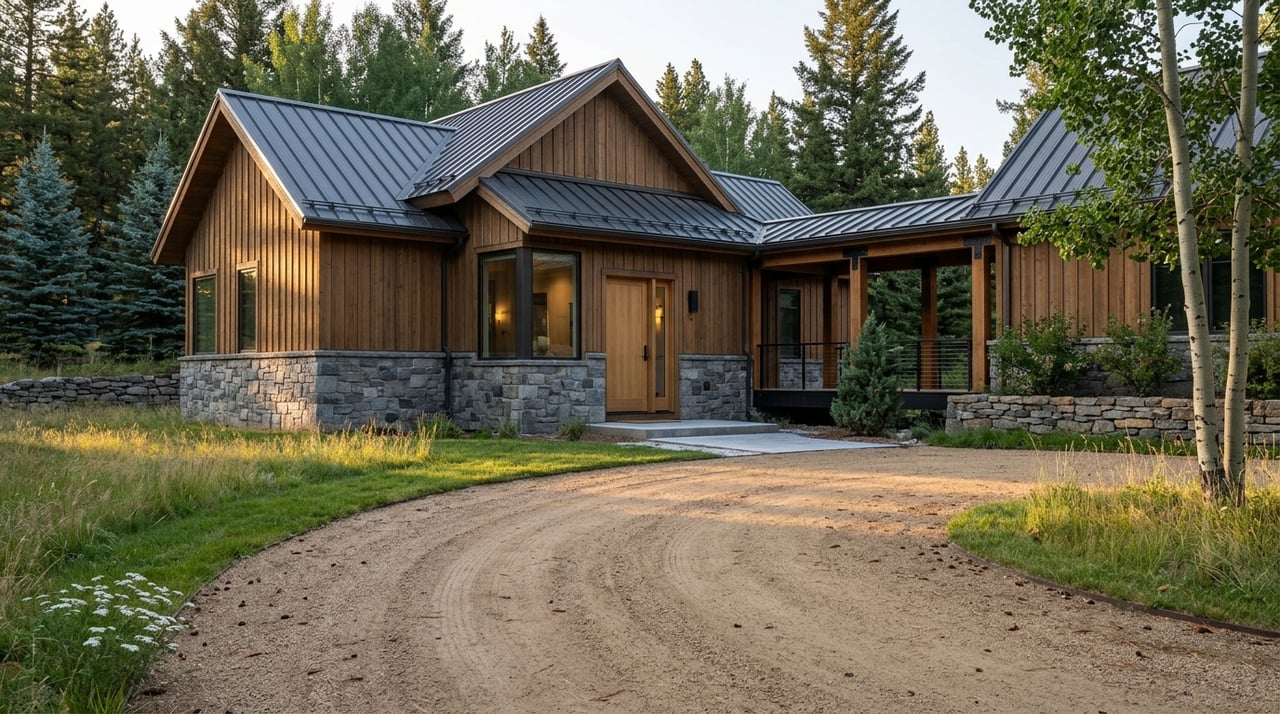
If you are picturing a ranch estate in Woody Creek as just a large home with land, you are missing what makes it special. This is a place where ownership often means living in a true rural setting shaped by open space, working land, river access, and a slower daily rhythm. If you are considering a property here, it helps to understand not only the appeal, but also the responsibilities that come with it. Let’s dive in.
Woody Creek Feels Purposefully Rural
Owning a ranch estate in Woody Creek is different from owning in a typical mountain enclave or resort neighborhood. Pitkin County’s Woody Creek master plan describes the area as a deliberately rural residential community where open space, agricultural lands, wildlife habitat, and low traffic on modest rural roads are central to its character.
That distinction matters when you are evaluating lifestyle fit. Woody Creek is not trying to replicate Aspen’s density, retail mix, or pace. Its commercial footprint is intentionally limited, with small-scale businesses rather than a built-out town center.
Ranch Living Is About Working Land
One of the defining parts of ranch-estate ownership in Woody Creek is that the land often has a practical identity, not just a visual one. Local planning documents describe the area as traditional hay, alfalfa, grain, potato, cattle, and horse country, with ranching and farming viewed as low-impact uses that help preserve open space and historic water rights.
In simple terms, acreage here can mean more than elbow room. It can mean irrigation infrastructure, pasture, agricultural use, and long-standing patterns of land stewardship that shape how a property functions.
For many buyers, that is exactly the draw. You are not just buying views. You are buying into a landscape that still operates as a landscape.
Horses Often Fit the Lifestyle
If one of your first questions is whether horses belong in Woody Creek, the answer is yes in the broad lifestyle sense. The master plan says small holdings for cattle and horses are customary and appropriate, which reflects the area’s longstanding rural land-use pattern.
That creates a very different feel from many luxury markets where equestrian use is more of an added feature than part of the local fabric. In Woody Creek, horses are consistent with the area’s traditional identity, and even the Rio Grande Trail allows horseback riders.
Daily Life Balances Seclusion and Access
A ranch estate in Woody Creek can feel private and removed without cutting you off from the rest of the valley. That balance is one of the area’s strongest lifestyle advantages.
You can return home to modest rural roads, quieter surroundings, and broad open space, while still having practical ways to connect to Aspen and nearby communities. RFTA’s Woody Creek bus service runs seven days a week between Woody Creek and Aspen/Snowmass, offering a free and convenient transit option.
The Rio Grande Trail adds another layer to that accessibility. RFTA describes it as a continuous multi-use corridor that connects communities throughout the Roaring Fork Valley and is open to pedestrians, cyclists, wheelchair users, and horseback riders.
For many owners, this creates a rare combination. Your property can feel tucked away, but your lifestyle does not have to feel isolated.
The River Is Part of the Appeal
The Roaring Fork River is a major part of what makes Woody Creek compelling. Colorado Parks and Wildlife notes that the river upstream of the Fryingpan River offers quality trout fishing, and public access points support shore, wade, and float angling.
Woody Creek’s master plan also notes several public access points in the area for fishing and other water activities. That means the river is not just scenery from a distance. It is part of how many people experience the area day to day.
If you value a lifestyle shaped by outdoor access, the river can become part of your weekly routine rather than an occasional outing. That is a meaningful difference when you are choosing between a true rural estate and a more conventional luxury home.
Aspen Stays Within Easy Reach
Part of Woody Creek’s appeal is contrast. At home, you have a quieter and more rural setting. When you want dining, arts, events, and nightlife, Aspen is close enough to remain part of your lifestyle.
Aspen’s restaurant and cultural offerings are a real advantage for Woody Creek owners who want privacy without giving up access to the valley’s social calendar. The practical value is not that Woody Creek feels like Aspen. It is that it does not, while still allowing you to participate in Aspen when you choose.
That split appeals to many second-home and estate buyers. You can enjoy acreage, scenery, and breathing room at home, then step into a more active cultural environment on your own terms.
Ownership Comes With Rural Realities
This is where expectations matter. Pitkin County’s rural-living guidance makes clear that owning in a rural area can involve very different day-to-day considerations than owning in a suburban or urban setting.
For example, water rights in Colorado are separate from land ownership. If a property includes river frontage, irrigation ditches, or agricultural use, you should review water rights as their own category of due diligence rather than assume they transfer with the land.
You should also expect site-specific questions around wells and septic systems. Rural homes may not have certain urban conveniences, and county guidance notes that issues like winter access, private-road maintenance, and snow removal can become part of normal ownership.
This does not make Woody Creek less appealing. It simply means the ownership experience is more hands-on and more dependent on property-specific details.
Land Use Rules Shape What You Can Do
Many buyers are drawn to Woody Creek for privacy and freedom, but it is important to understand that this is also a highly managed rural environment. Pitkin County requires permits for several types of work that estate owners may eventually consider.
Significant soil or vegetation disturbance may require an earthmoving permit. Work in the 100-year floodplain may require a floodplain permit. Septic systems require county permits and inspections, and some fences may require permits if they do not meet wildlife-friendly criteria.
The county’s rural-living guidance also explains that site plan review can identify constrained areas such as floodplain, wildlife habitat, stream corridors, wetlands, and an activity envelope that limits where improvements can occur. In practice, that means the usable and buildable portions of a ranch estate may not match the simple impression created by total acreage.
Stewardship Is Part of the Experience
In Woody Creek, ownership often feels less like controlling land and more like caring for it well. The area’s appeal is tied to preserved open space, agricultural use, wildlife habitat, and a lower-intensity pattern of development.
That gives ranch-estate ownership a different tone than many luxury purchases. You are not only choosing a private residence. You are stepping into a place where stewardship, access, water, and land-use patterns all matter.
For the right buyer, that is exactly the point. Woody Creek offers beauty and privacy, but also authenticity. It asks more of you than a turnkey in-town property, yet it can offer a deeper connection to the land in return.
What Luxury Buyers Often Value Most
For affluent buyers, the appeal of Woody Creek usually comes down to a few core advantages working together:
- Privacy without complete isolation
- Acreage that feels meaningful, not decorative
- Access to river, trail, and valley recreation
- Proximity to Aspen’s dining and cultural life
- A rural identity that has been intentionally preserved
That combination is hard to duplicate. In many markets, you can find luxury. In fewer markets, you can find luxury paired with a genuine working-landscape setting and a close connection to the wider Aspen area.
Why Guidance Matters in Woody Creek
Because ranch-estate ownership here involves more than home design and views, local guidance matters. Water rights, access, activity envelopes, permits, agricultural context, and long-term usability all deserve close review.
If you are buying, that means understanding how a property lives in every season, not just how it shows on paper. If you are selling, it means presenting the property in a way that speaks to sophisticated buyers who understand the value of land, privacy, and stewardship.
That is where market-specific knowledge becomes especially important in Woody Creek. The right counsel can help you see not only what a property is today, but how it may function over time.
If you are exploring ranch estates in Woody Creek or considering a future sale, Zach Lentz can help you navigate the market with local insight, discretion, and a tailored approach.
FAQs
What is ranch-estate living like in Woody Creek?
- Ranch-estate living in Woody Creek is shaped by open space, working land, wildlife habitat, rural roads, and a quieter pace, with access to Aspen and the Roaring Fork Valley still within easy reach.
Can you keep horses on a Woody Creek ranch estate?
- Horses are part of Woody Creek’s traditional land-use pattern, and Pitkin County’s master plan says small holdings for cattle and horses are customary and appropriate.
Does a Woody Creek ranch estate usually include water rights?
- Not necessarily, because Colorado water rights are separate from land ownership, so water rights should be reviewed separately during due diligence.
What should buyers review before purchasing a Woody Creek rural property?
- Buyers should closely review water rights, well and septic details, winter access, private-road maintenance, snow removal, site constraints, and any permit requirements tied to future improvements.
Is Woody Creek close enough to Aspen for dining and events?
- Yes, Woody Creek offers a rural setting with convenient access to Aspen’s restaurants, arts, events, and nightlife, plus transit service and trail connectivity through the valley.
Are there land-use limits on Woody Creek ranch properties?
- Yes, property use and improvements can be shaped by permits, floodplain rules, wildlife-friendly fencing standards, septic requirements, and site constraints such as wetlands, stream corridors, and activity envelopes.