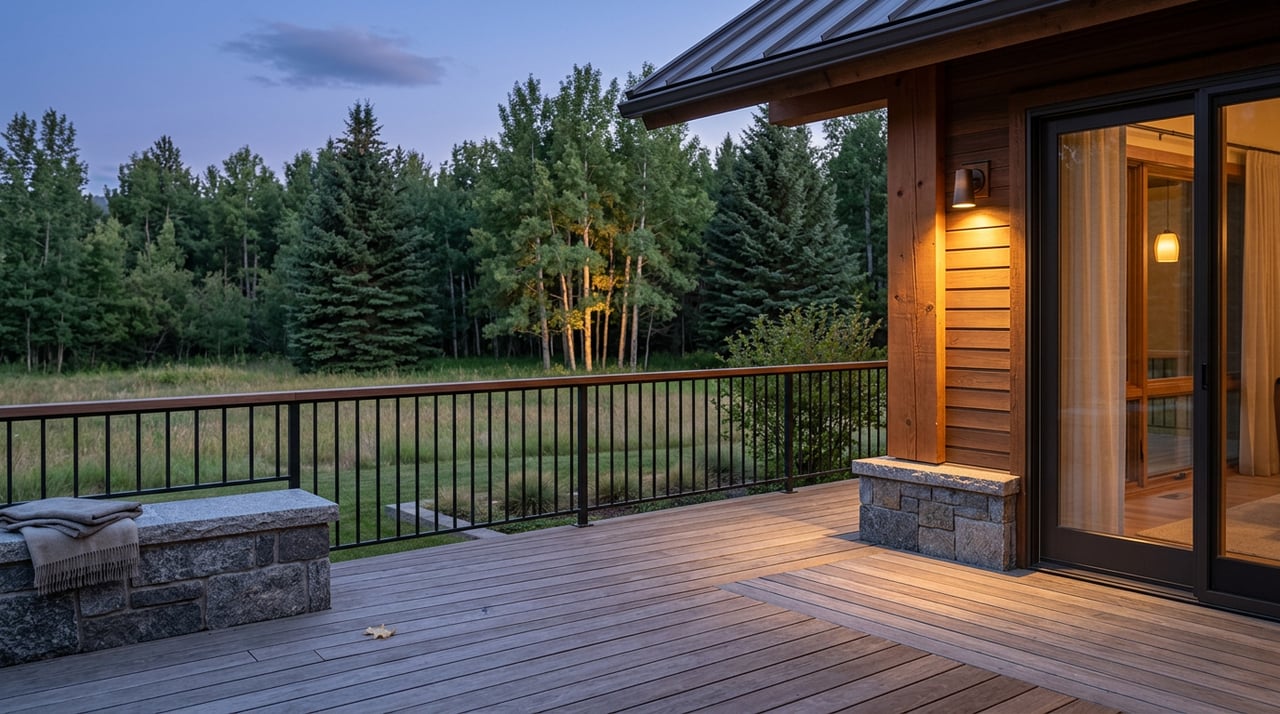
Every bike guide in the valley tells you the same thing about the ride down the Rio Grande Trail to Woody Creek Tavern: go for lunch. Coast down from Aspen, order the tamales or the green chile pork, sit on the patio, ride back up while you still have legs for it. It's good advice, and it's also incomplete, because it describes a ritual built for visitors rather than the one the people who actually live here have settled into. If you've spent enough summers in this valley, you already know the better version of that ride happens later, closer to six or seven, and the reason has less to do with light or crowds than with what's happening under the surface of the river you're riding alongside.
The Roaring Fork tells you what time it actually is here, and lately it's been saying evening.
The regulation line runs through the bridge
The stretch of river that matters most to this conversation is short and specific: from Hallum Lake in Aspen down to the Upper Woody Creek Bridge, the Roaring Fork carries both a Wild Trout Waters designation and Gold Medal status, which is the rare double the state doesn't hand out casually. Above that bridge, it's catch and release, artificial flies only. Below it, down through the canyon toward Basalt, the rules loosen slightly to artificial flies and lures with a 16-inch minimum, and the water itself changes character, tightening into heavier pocket water that takes more work to wade. The bridge isn't just a landmark. It's the line the Colorado regulations actually use to define two different stretches of the same river, and it happens to sit right at the edge of town.
That geography matters because of what the water's been doing this month. The upper river was running at 110 cubic feet per second below Maroon Creek in the August 3 fishing report, down from 140 cfs in a report from early July. That's a meaningful drop, and it's the kind of decline that makes trout more particular about when and where they'll feed. The same report noted water temperatures becoming something anglers need to watch even on the upper miles, with fish holding in the fastest, most oxygenated water they can find during the heat of the day. The payoff comes later: caddis, pale morning duns, and green drakes were still hatching through early August, with the best activity arriving in the evening and the drakes typically the last to show. A river running low and warm by afternoon simply fishes better once the sun starts to drop, and that single fact turns out to explain more about the rhythm of this town than any guidebook does.
The fish move to the evening water first. Everyone else just follows.
Which is why the ride down now starts after five
The trail itself hasn't changed, only when people are willing to use it well. The Rio Grande Trail access point sits less than half a mile north of the Tavern and the post office on Upper River Road, a small parking lot shared by riders, walkers, and anyone just stopping in for a drink. The classic Aspen-to-Woody-Creek run is 7.3 miles one way, a steady downhill cruise on the way in and a 500-foot climb on the way back, rated moderate and built, according to the regional tourism guides, for exactly the lunch-then-workout pattern everyone assumes. What those same guides don't mention is that riding that climb back at two in the afternoon in August means doing it in full sun on pavement that's been baking since ten. Riding it back at seven or eight, once the heat has broken and the canyon walls start throwing shade, is a different errand entirely, and it happens to land right when the fish start rising too.
There's a smaller, more specific wrinkle worth knowing if you're on anything electric. Class 1 e-bikes are allowed on the full length of the trail, but Class 2, the throttle-assisted kind, is only permitted between Glenwood Springs and the Pitkin County line at Emma Road in Basalt. Past that line, through Woody Creek and on into Aspen, it's pedal-assist only. If you rented downvalley and you're planning to ride all the way up, that's the point where your bike's legal status changes, not your legs.
The corridor that ties all of this together is short enough to walk in twenty minutes:
- The Rio Grande Trail access lot on Upper River Road, shared with Tavern parking
- Woody Creek Tavern itself, which opened in the log cabin in 1980, cash preferred though there's an ATM inside
- The Woody Creek Community Center, housed in the 1940s log cabin that later became home to the Tavern
- Fields once part of the Scanlan family's land, still grown for potatoes that end up in a very specific bottle a few miles downvalley
The corridor between the farm and the bar
That last one deserves its own explanation. Woody Creek Distillers still grows its own potatoes at Scanlan Family Farm, on fields that sit near what was once Hunter S. Thompson's own property, specifically for its vodka and gin. The distillery mashes those potatoes within hours of harvest and does the entire year's vodka production in a two-to-three-month window, which is a small enough operation that the timing of a single farm's dig schedule still shapes what's on the shelf. The tasting room itself sits about fifteen miles west in Basalt, open Wednesday through Saturday from two to nine in the evening, pouring cocktails developed with Denver bartender Sean Kenyon, including a Blackberry Sage Smash built around the distillery's own rye.
The scale of this operation is worth sitting with for a second. In March, Woody Creek Distillers released a Colorado Avalanche-branded bourbon, aged at least five years, bottled at 90 proof, in an initial run of exactly 3,000 six-bottle cases at $49.99 a bottle. That's not a mass release. It's a small, deliberate batch tied to a hockey team, sold mostly through Colorado bars and the distillery's own direct channel, which tells you something about how this valley's food and drink economy actually works. The people making it still grow the raw ingredient a few hundred yards from where Thompson lived, still sell most of it to the people who live here, and still treat a five-year-old bourbon like a local event rather than a product launch.
None of this is about golden hour photography, though the light here does that work on its own most evenings. It's about a place where the fishing regulations, the trail's e-bike rules, the Tavern's cash preference, and a distillery's potato harvest all quietly point to the same conclusion: the version of Woody Creek worth knowing runs later in the day than the postcard version, and it runs on a schedule the river actually sets.
If you've been riding that same evening loop for a few summers now, watching the same stretch of water clear and cool as the light drops, you already understand something about this place that doesn't show up in a listing description. That kind of familiarity is exactly what makes a property in this corridor different from one anywhere else in the valley, and it's the kind of detail worth discussing with someone who knows the difference between the guidebook version of Woody Creek and the one you actually live in.
Zach Lentz has spent enough evenings in this stretch of the valley to know which bend in the trail cools off first. If you're thinking about what a home in this corridor could mean for how you actually spend your summers here, schedule a confidential consultation and we'll talk through it, on your timeline, not the market's.
This article is general information, not legal, tax or financial advice. Consult a qualified professional about your situation.